Managing Overnight NBA UK Tip-Off Times and Betting Cycles
 Available in US
- Overnight Betting: Navigating 3am Tip-Off Schedules and Cash-Out Efficiency
- Why timing changes the bets you make
- The UK schedule, mapped to real life
- What the schedule does to in-play decision-making
- Playoffs are a different animal
- Sleep, money, and the discipline question
- Building a UK-specific betting calendar
- The reality of being a UK NBA bettor in a sport built for someone else
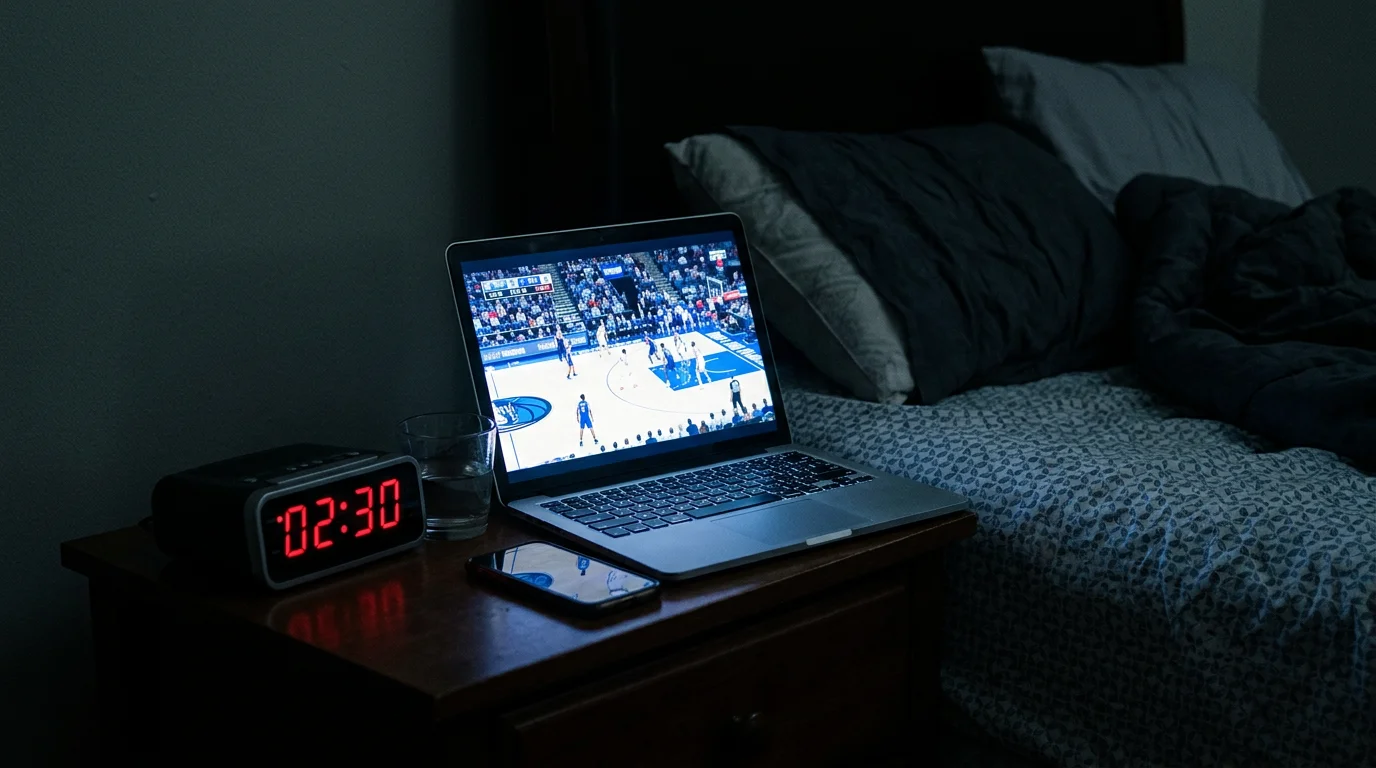
Overnight Betting: Navigating 3am Tip-Off Schedules and Cash-Out Efficiency
I worked out once how much sleep I had lost to a single Lakers-Nuggets season series. It came to roughly four full nights. That is the unspoken tax on being an NBA bettor based in Britain, and after a decade of doing this from a flat in Manchester, I have opinions on how to handle it without wrecking either your bankroll or your circadian rhythm.
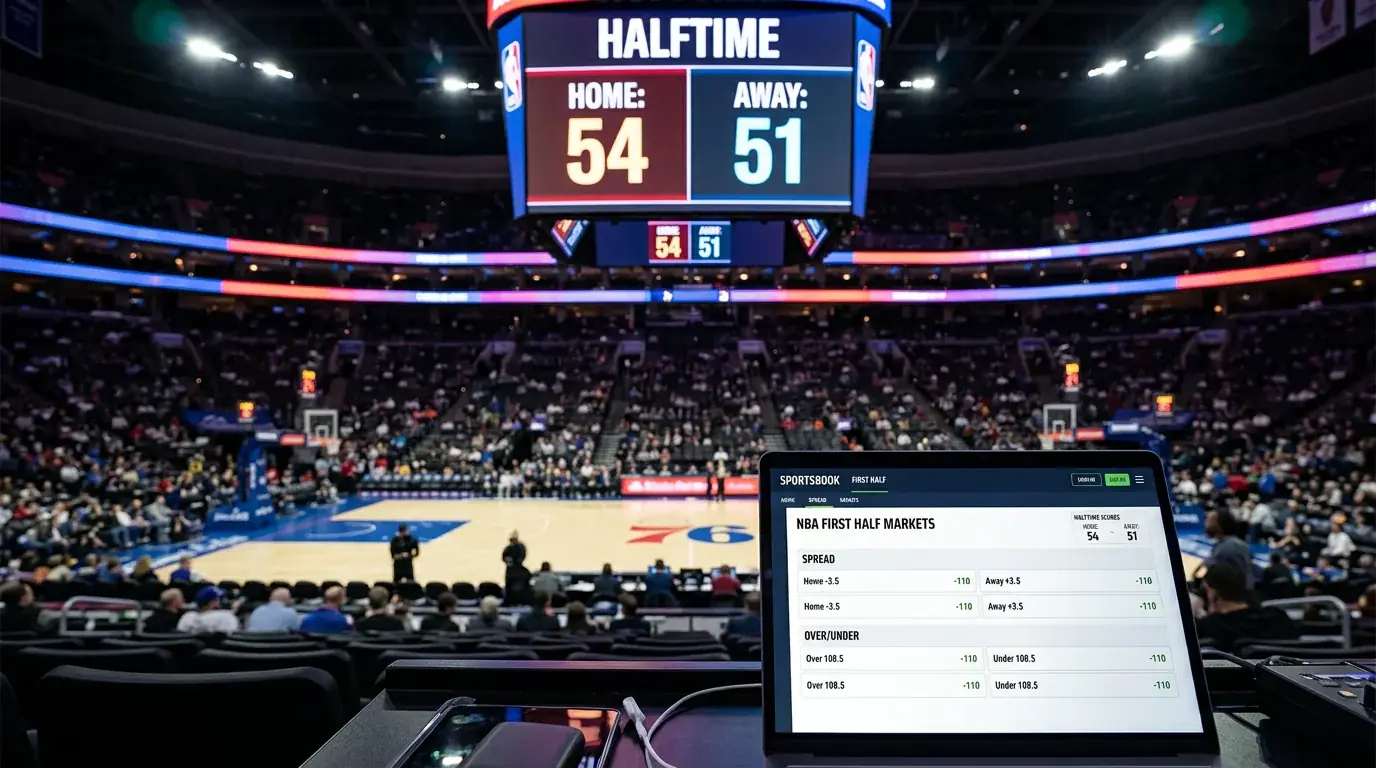
The NBA schedule is built for North American eyeballs. East Coast prime time means 7:30pm in New York, which is 12:30am in London during the regular season – and the West Coast slate routinely tips off at 3am or 4am UK time. If you are betting these games live, you are making decisions in the back half of the night, when your brain is statistically worse at processing probability. That fact alone has shaped my entire approach.
Why timing changes the bets you make
There is a behavioural pattern I have watched in myself and every UK-based bettor I know. The bets you place at 11pm look different from the bets you place at 2am. They are bigger, more emotional, more parlay-heavy, and they lean harder on props that feel like fun rather than edges that feel like work.
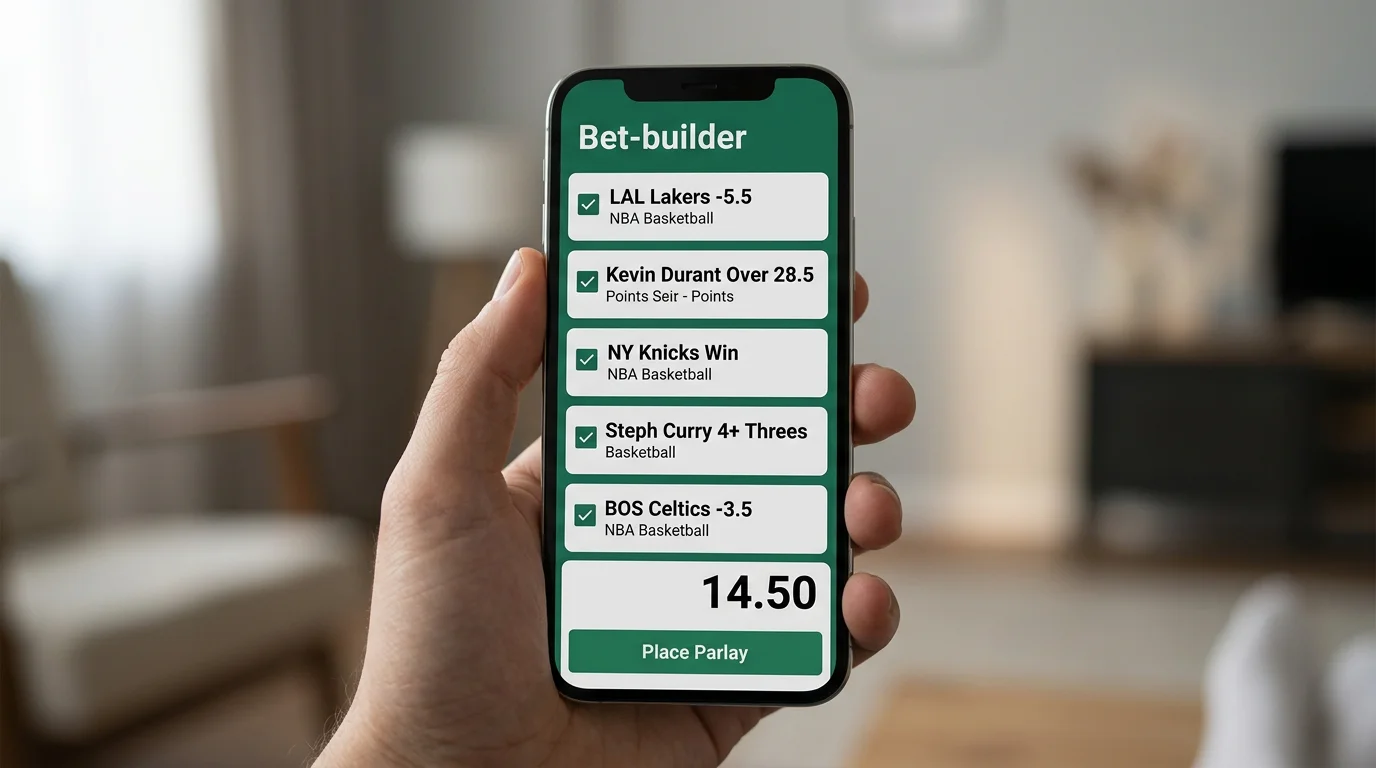
This is not anecdote. US sportsbook data from 2025 showed parlays held an average margin of 24.2 percent against an industry-wide hold of 10.15 percent – and parlays disproportionately get placed late, when the analytical part of the brain has clocked off. Singles, where the hold averaged just 4.4 percent, are the bets you make when you are sharp. Tip-off time and bet quality are correlated in ways the books understand and most punters do not.
The practical takeaway: any wager you place after midnight should be sized smaller than the same wager placed before midnight. Not because the odds change, but because your edge in reading them does.
The UK schedule, mapped to real life
Most regular-season nights have a slate that breaks roughly into three windows from a British perspective. The 7pm Eastern games tip off at midnight UK. The 7:30pm and 8pm Eastern starts hit between 12:30am and 1am. And the late West Coast doubleheader runs from 2:30am to 3am, finishing around 5am.
That late window is where things get interesting and dangerous. Pacific Time tip-offs are when you get the marquee Lakers, Warriors, and Kings games – the kind of fixtures that drive UK betting volume because they are the teams people grew up watching. Prime Video data showed NBA viewership in the UK rose 312 percent year over year after the new media rights deal kicked in, and the App engagement figure was up 52 percent. The audience is here. But the audience is also tired.
I have a rule I broke for years before I finally stuck to it: do not bet West Coast games live unless you have slept. Trying to read pace, foul trouble, and rotation patterns at 4am after a full workday is not analysis – it is gambling in the literal sense. If a Pacific-time game has a bet I want, I place it pre-game with stop-loss discipline and let the result happen while I sleep.
What the schedule does to in-play decision-making
Reaction time degrades after about 18 hours awake. Decision quality degrades faster. The neurological evidence on this is consistent enough that no serious sportsbook needed to commission a study – they could just look at their own settlement data and see how late-night live betting differs from the daytime equivalent.
Live NBA betting is already a high-velocity environment. Odds shift every possession. A 5-0 run flips a moneyline by 80 cents. If you are catching the back end of a triple-overtime game at 6am, you are not pricing the next possession, you are reacting to the last one. The book is always pricing forward. That asymmetry is what they monetise.
Two practical adjustments helped me. First, I write out my live-bet thesis before the game starts – what I want to see happen, what number I would bet at, what my unit size is. I read it on my phone before I tap confirm. Second, I cap the number of live bets per game at two. If I have already placed two, I am done, regardless of how the game looks. That cap has saved me more money than any handicapping insight ever has.
Playoffs are a different animal
April through June is when the NBA schedule and the British clock briefly come close to friendly. Playoff games on weekends often tip off at 1pm or 3:30pm Eastern, which translates to 6pm and 8:30pm UK. Game 7s on Sunday afternoons are 6pm London time. This is when casual UK bettors come back to the sport, and it is when volume on betting markets spikes.
The schedule advantage cuts both ways. You are sharper at these hours, but so is every recreational bettor and so is every public-money flow. The lines are tighter, the soft props get hammered down faster, and the slow-shopping edge I rely on during regular-season midnights disappears.
My approach in May and June is the opposite of my approach in November. I am more selective, I bet earlier in the day, and I do not chase live spots that would have been profitable at 3am in January. The market is more efficient when more eyes are on it, and the playoffs draw eyes.
Sleep, money, and the discipline question
The UK gambling industry generated gross gaming yield of 15.6 billion pounds in the financial year ending March 2025, up 7.7 percent year on year. A meaningful chunk of that is wagered after midnight on sports that finish before dawn. The books are not building marketing campaigns around late-night betting because they want you well rested.
If you are not sleeping properly, your day job suffers, your relationships suffer, and your bankroll suffers – usually in that order, usually by the time you notice. The Gambling Commission’s own data shows problem gamblers are nine times more likely to receive free-bet offers than recreational bettors, which tells you everything about who the late-night promotional push targets. I am not suggesting you avoid live NBA betting. I am suggesting you build a schedule around it that does not assume you can run on four hours of sleep five nights a week.
What works: pick three or four nights a week to be live for games, treat the rest as DVR-and-graded affairs, and accept that you will miss the occasional spot. The spots you miss are cheaper than the spots you take when you are exhausted. Managing this trade-off is part of what makes NBA betting from the UK a different discipline than NBA betting from Chicago or Toronto, and it is one of the reasons I think hard about the deposit and time limits that British licensed operators are required to offer. The time-out tool in particular was designed for exactly this scenario, even if it was framed differently in the regulations.
Building a UK-specific betting calendar
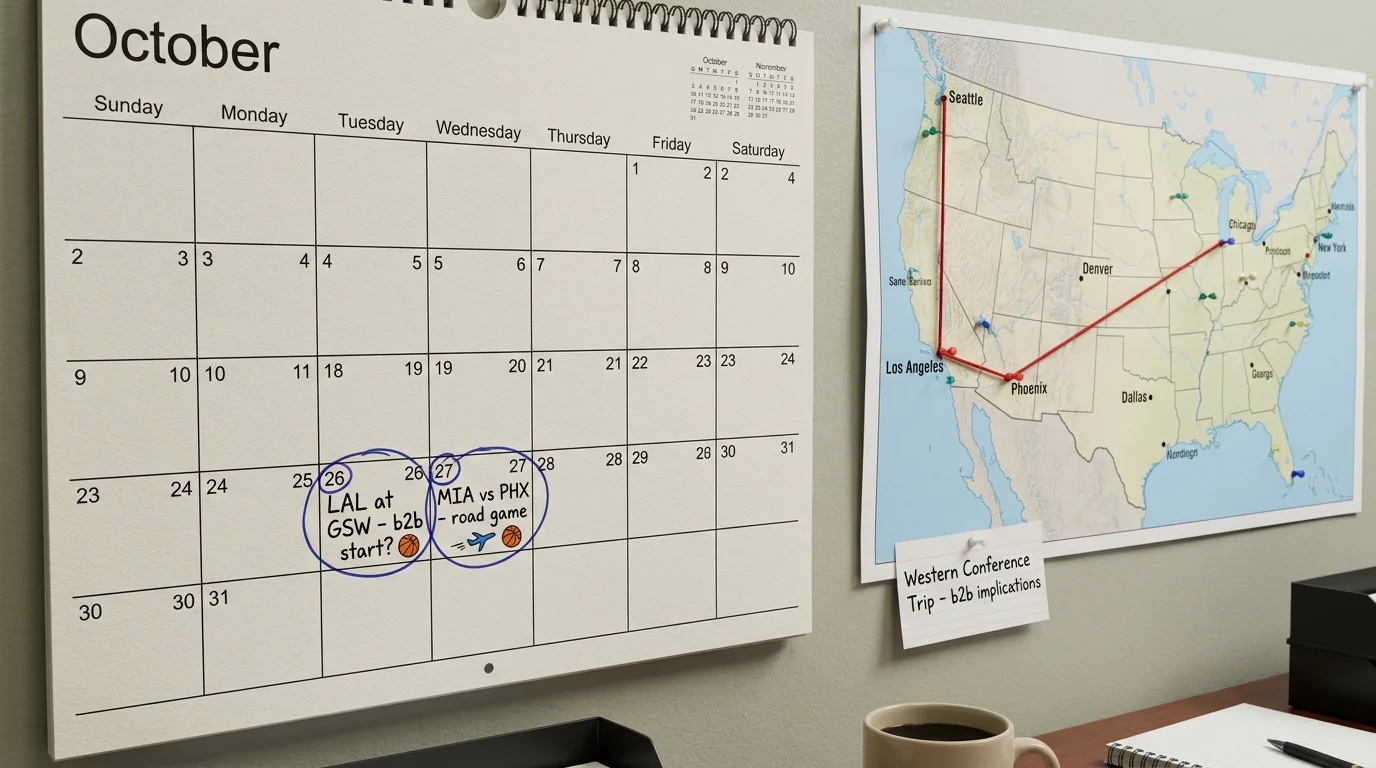
The single highest-leverage habit I have adopted is treating the NBA week as a Tuesday-to-Sunday rhythm rather than a Monday-to-Sunday one. Monday slates tend to be thin and the Tuesday early window – meaning the 7pm Eastern starts that hit midnight in the UK – gives you the cleanest analytical conditions of the week. You have weekend rest, the lines have settled after the weekend’s volume, and the games are not running into the small hours.
Friday and Saturday nights are when I allow myself the West Coast late slate, because I can sleep in. Thursdays are TNT’s national doubleheader nights – that means three games typically, with the late one running until roughly 5am UK time. I have learned to skip the late Thursday games entirely unless I have already taken Friday off work.
Wednesdays are my discipline night: if I have had a bad Monday and Tuesday, I do not bet Wednesday. That is a rule, not a guideline, and it is the single best thing I do for my long-term results. Tilt compounds faster than anything else in this sport, and the back half of the week is when tilt-driven decisions become catastrophic.
The reality of being a UK NBA bettor in a sport built for someone else
You are betting on a league whose schedule is engineered for an audience five to eight hours behind you. That fact will shape every season of your betting life until either the league changes or you do. The league is not going to change. There are no early-evening UK-friendly start times coming, and the playoff weekend windows are the only structural concession you will get.
What you can change is how you respond. Smaller late-night stake sizes, mandatory live-bet caps, scheduled rest days, and a deep, conscious distrust of any wager you place between 2am and 5am. None of this is glamorous and none of it shows up in betting Twitter posts. But after ten years, the bettors I know who are still in the game and still solvent are the ones who built the calendar around their own sleep first and the NBA schedule second. The ones who did it the other way round are not betting any more.
What time do most NBA games start in the UK?
During the regular season, East Coast games typically tip off at midnight or 12:30am UK time, while West Coast games start at 2:30am or 3am. Playoff weekend games often start at 6pm or 8:30pm UK, which are the most British-friendly fixtures of the year.
Is it worth staying up to bet live on West Coast NBA games?
In my experience, no – at least not regularly. Decision quality drops sharply after midnight, and the books price live markets aggressively. If a West Coast game has a bet you like, place it pre-game and let it settle while you sleep.
Does the time of day actually affect betting performance?
It affects bet selection more than handicapping. Bets placed after midnight tend to be larger, more parlay-heavy, and more emotional. Industry data on parlay margins versus singles margins shows the structural difference, and your own settlement history will usually confirm it.
Published by the nba bet of the day team.