Decimal Odds Comparison and NBA Line Shopping in the UK
 Available in US
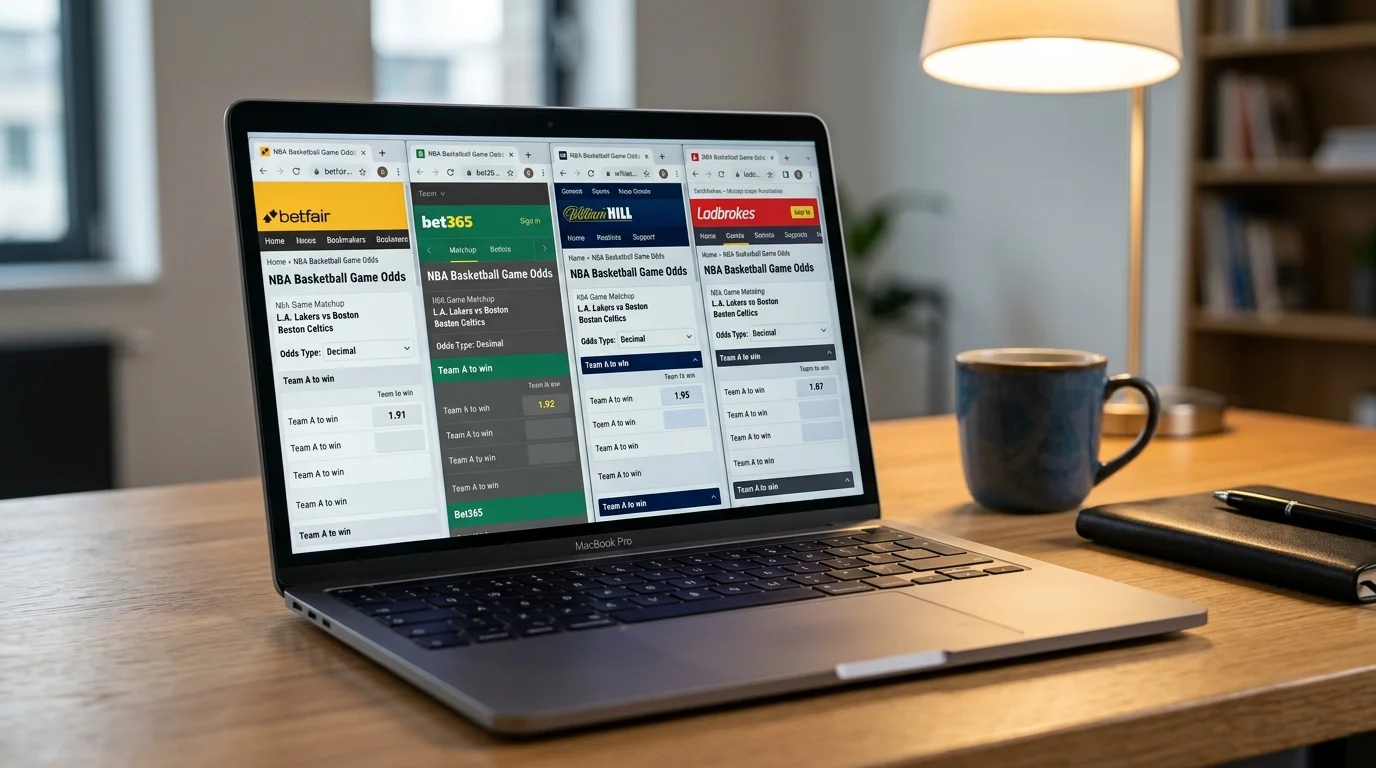
Odds Comparison Routine: Securing Long-Term Returns on Half-Point Edges
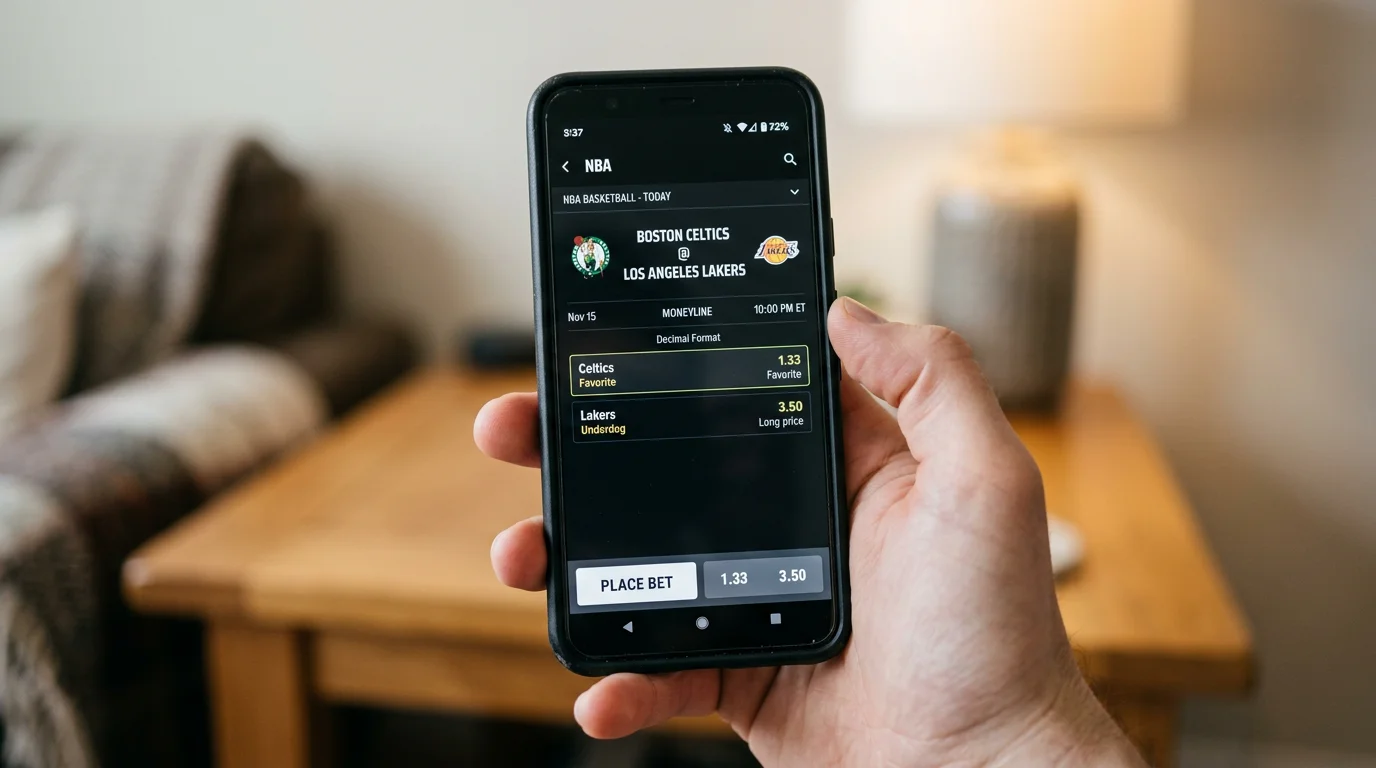
Ten years ago I had three open tabs and a notepad. Today I have eight tabs, a spreadsheet, and a much healthier balance – and the single biggest reason isn’t a smarter model. It’s the boring, almost embarrassing discipline of checking the same NBA market across at least four UK bookmakers before I stake a penny. Most punters spend more time arguing about whether Doncic is worth -110 than they spend looking at whether somebody is offering -105. That gap is where the money is.
If you take only one thing from this piece, take this: the difference between a winning year and a losing year for a recreational UK punter is rarely about picking better games. It’s about being paid better when you’re right. The bookmaker’s margin is the silent tax – UK operators run between 4 and 6 percent on NBA mainlines, more on derivatives – and line shopping is the only legal tool we have to trim that tax in real time.
What line shopping actually means in a UK NBA context
I’ll tell you what it isn’t: it isn’t refreshing one site every two minutes hoping the price drifts. Line shopping is the deliberate act of comparing the same selection across multiple UKGC-licensed books and routing your stake to whoever offers the best decimal price or the friendliest handicap, every single time you bet.
In the UK NBA context that means three columns of comparison. First, the price itself – 1.91 versus 1.95 looks tiny on paper but compounds savagely over a season. Second, the line – Lakers -4.5 at one bookmaker against Lakers -3.5 at another is a different bet, not a cheaper one. Third, the limits, because a glorious price with a £20 max stake is fine for a casual punter and useless for anyone scaling up.
The mistake I see constantly is treating these three layers as if they were the same problem. A handicap difference is a structural edge; a price difference is a margin edge; a limit ceiling is a workflow constraint. You handle each one differently. When the handicap differs, you compute which side of the key number you want to be on. When only the price differs, you stake at the best decimal. When limits bind, you split the stake – but only if the second-best price is still inside your acceptable margin.
One more thing the term hides: line shopping is also about timing. A line at 6pm UK is rarely the same line at 1am UK when American sharps wake up and move the market. Posting early can lock in a stale number that drifts your way later; waiting can catch a softer line after a late injury report. I do both, depending on the market, and I’ll come back to that.
The variance you actually find on UK NBA decimal odds
I keep a rolling log of every NBA bet I place and the closing prices at four other UK books for the same market. Across a typical regular-season slate, the spread between the best and worst decimal price on a -110-ish moneyline sits between two and five basis points – call it 1.91 to 1.95, or 1.87 to 1.91 on the dog. That sounds invisible. It is not.
Run the maths on a flat 100-bet sample at £50 a unit. If half your bets win at 1.91 and half lose, you’re at minus £225. The same record at 1.95 puts you at plus £25. Same picks, same skill, £250 swing because you didn’t bother opening a second tab.
The variance widens once you leave moneylines. On totals, I routinely find half-point gaps – one book showing 232.5 over at 1.91, another showing 233 over at 1.91. Same price, different line, and the second one is materially worse if you backed the over. On player props the discrepancy explodes: I’ve seen 2.5-rebound markets priced at 1.85 and 2.10 simultaneously across mainstream UK books on the same player. The over-the-counter retail betting estate adds yet another layer – there were 5,825 betting shops in Great Britain in March 2025, and the in-shop coupon prices often lag the digital lines by hours.
Why does this happen? Because UK bookmakers don’t share a centralised pricing engine. Most license their core lines from one of a handful of data providers, then layer in trader judgement, in-house liability, and promotional adjustments. The bigger operators – the Flutter and Entain stables, which between them dominate the UK retail and online market – have entirely separate pricing teams across their sub-brands. Flutter alone reported group revenue of $15.91 billion for 2025, and Entain posted £5.3 billion in net gaming revenue the same year. That scale means parallel pricing operations within the same parent company. Two brands under one roof can absolutely disagree on Bucks -7.
The half-point and the hook: where structural edges hide
Punters love price gaps because they’re easy to see. The real money is usually in the line itself.
NBA spreads cluster around specific numbers – not as densely as NFL spreads cluster on 3 and 7, but enough that half-point movements meaningfully change cover probability. A spread of -7.5 versus -7 isn’t the same bet at the same price. A spread of -10 versus -9.5 isn’t either. When one UK book hangs the line a hook off from the rest of the market, that’s a structural opportunity, not a pricing one.
The way I work it: when I think a team should win by 8, and four books have them at -7.5 while one has them at -7, I take the -7 even at slightly worse odds. The half-point I’m buying is worth more than the price I’m conceding, because the difference between covering by 7 and pushing on 7 swings my entire stake. Conversely, if I’m on the underdog, +7.5 at 1.95 beats +7 at 2.05 by a wider margin than the price suggests, because a 7-point loss is a push at +7 but a win at +7.5.
Totals work similarly. The over/under landscape in 2026 lives in the high 220s and low 230s – league pace hit 101.9 possessions per 48 minutes early in the 2025-26 season, the highest mark in 30 years of play-by-play data, and average scoring per team is sitting around 117.7 points per game. That tempo creates fat totals, which means more half-point hooks matter. A total of 232.5 versus 233 is a meaningful structural difference because games genuinely land on 233 in 2026 in a way they didn’t when the league was scoring 105 a side.
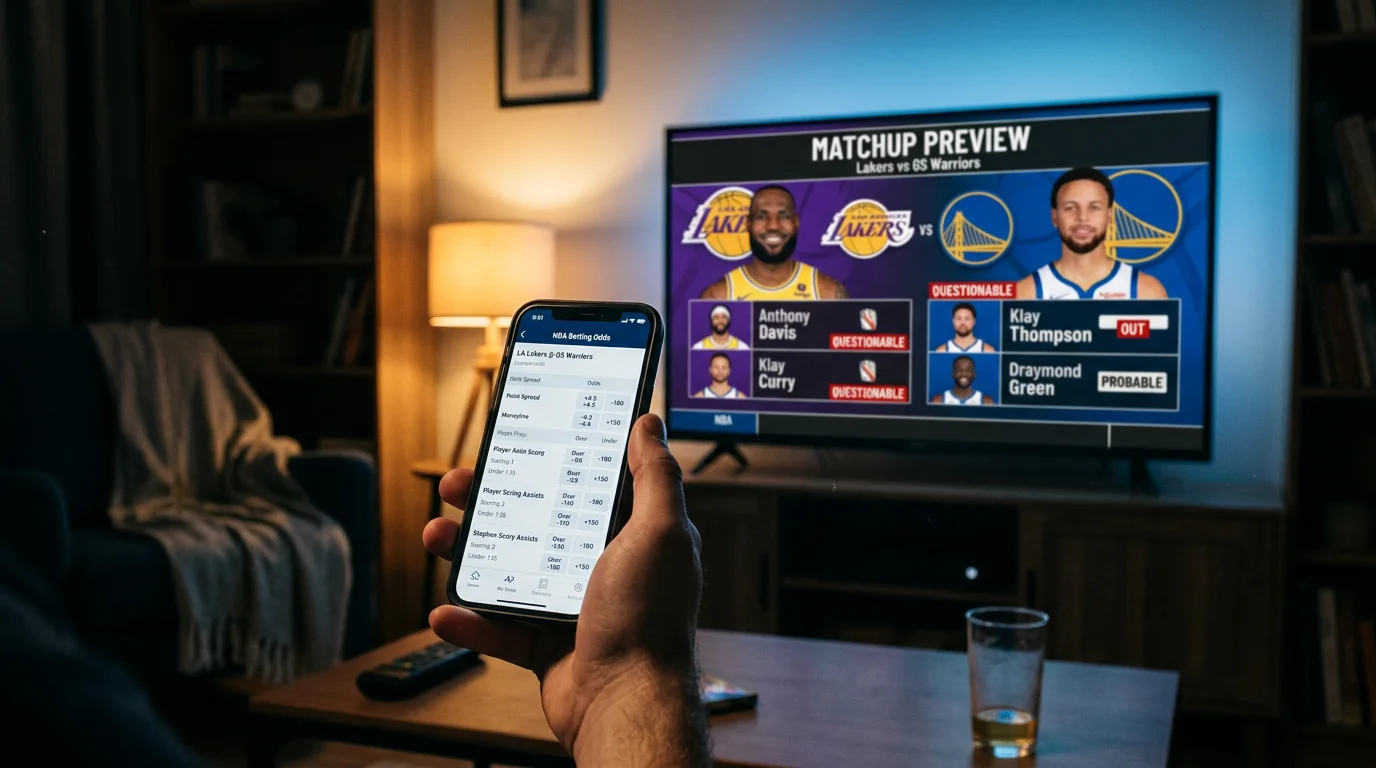
Where it gets interesting: not every book moves at the same pace when news hits. A late injury report drops at, say, 11pm UK. One book pulls the prop market entirely and reposts in fifteen minutes; another adjusts the spread by a point; a third lets the original line ride for forty minutes while a human reviews. During that lag window, you can find lines that are objectively wrong relative to consensus – the bettor’s version of an arbitrage, only legal and clean. I’ll save the alternate-spread mechanics for another piece, but it ties into the same instinct: structure first, price second.
Tooling, multi-accounting, and the rules that bind
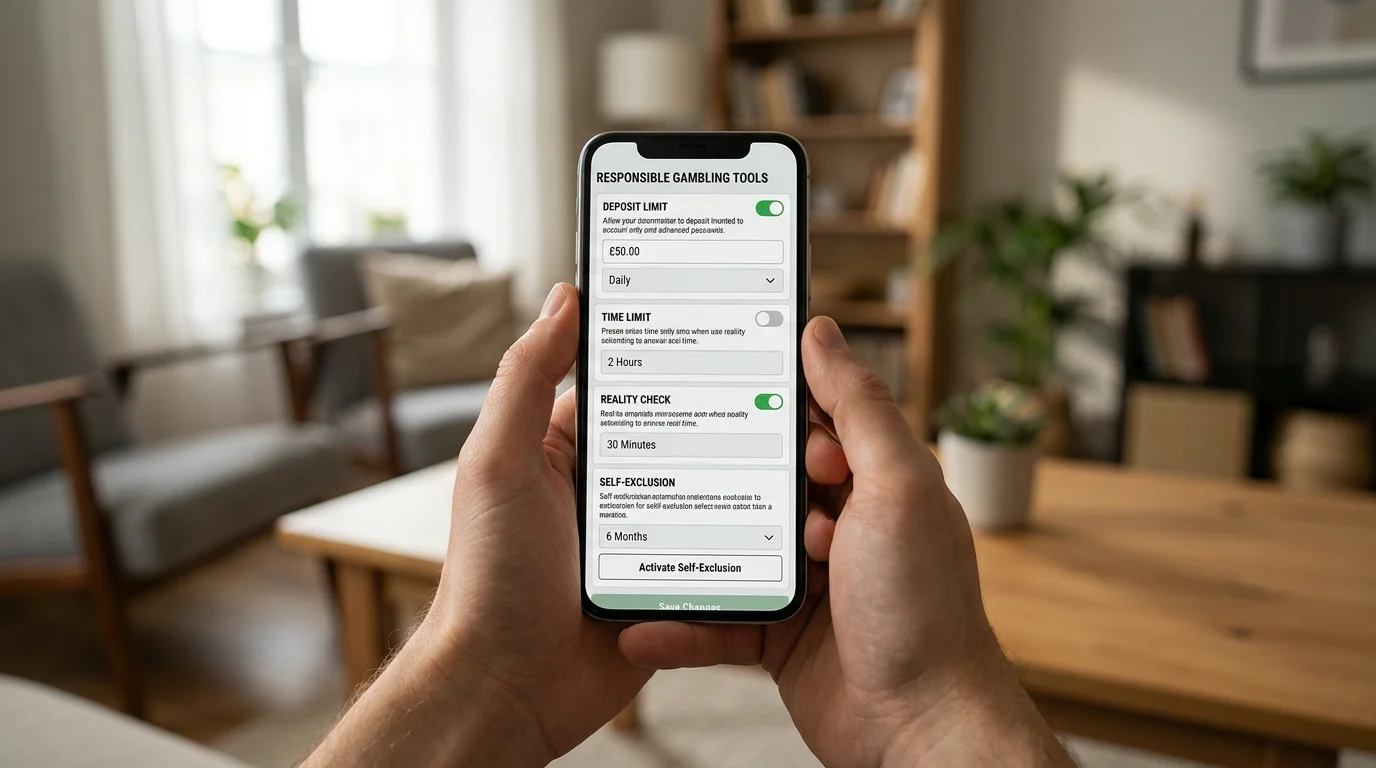
Every line shopper hits the same wall at some point: how many accounts can I hold, and what tools can I use to compare prices without spending my whole evening tabbing?
On the multi-account question, the UKGC framework is clear. You’re allowed to hold accounts at as many licensed bookmakers as you like – there is no statutory cap. What every bookmaker’s individual terms forbid is opening multiple accounts at the same operator, or operating accounts you don’t own. Holding a single account each at, say, six different UKGC-licensed sportsbooks is entirely within the rules. That’s the only legitimate way to line shop at scale in this market.
Operators can, and do, restrict accounts they identify as systematic line shoppers – usually by cutting your maximum stakes. There’s no point pretending otherwise. The honest answer is that as your edges sharpen, your stake ceilings shrink. I’ve had accounts limited to £5 maximum on NBA mainlines. It’s the price of competence, and it’s why distributing volume across multiple books matters: the alternative is being forced into a single book that has already decided you’re too sharp.
The tooling layer is simpler than people make it. There are odds-comparison sites that aggregate UK prices in real time, and several of them index NBA markets reliably enough for spreads, totals, and moneylines. Use them as a first filter, then verify the price at the destination book before you stake – aggregator data can lag a market move by 30 to 90 seconds, which on a sharp line is forever. Props are harder to aggregate well, and that’s where manual checks across three or four books still earn their keep.
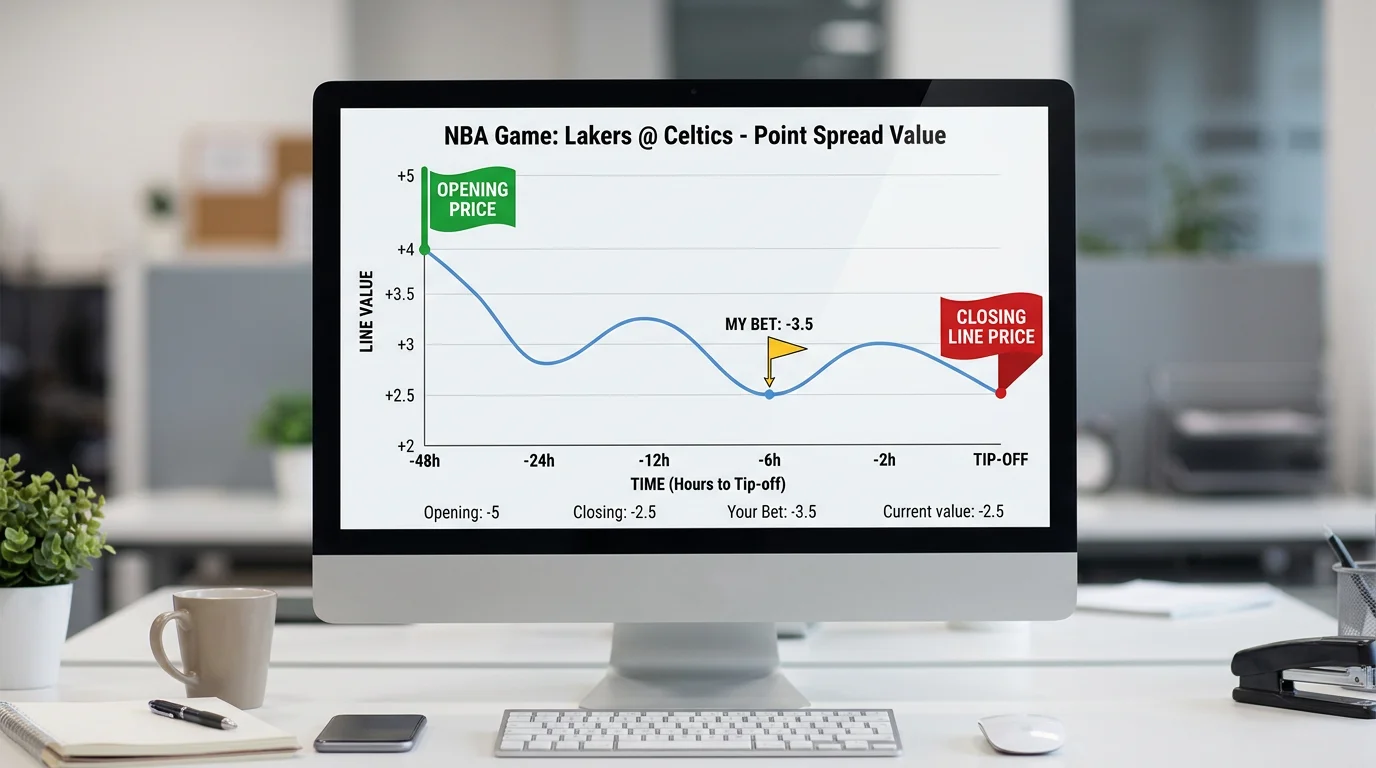
One operational habit that changed my year: I write down the price I’m taking, the time I’m taking it, and the closing line a few minutes before tip-off. Tracking your closing line value over a season is the single most reliable feedback loop for whether your line-shopping discipline is working – winning bets you struck below close are the proof that you’re being paid for the work. For the deeper EV mechanics around that, I’d send you to my piece on reading NBA odds across decimal, fractional and American formats, because the conversion fluency feeds directly into how quickly you can compare a US handicapper’s pick to the UK number on your screen.
Do UK bookmakers display NBA prices in decimal or fractional odds?
Most UKGC-licensed online sportsbooks default to fractional odds because that’s the historic British convention, but every mainstream book lets you switch the display to decimal in your account settings. For NBA betting I’d switch every account to decimal – the maths is faster, the comparisons across books are cleaner, and decimal is the format used by the global handicapping community you’ll inevitably draw on for context. Retail betting shops still quote almost exclusively in fractional, which is one reason in-shop NBA coupons trail the digital prices.
Is it against bookmaker terms to hold accounts at multiple UK books for line shopping?
Holding one account each at multiple UKGC-licensed bookmakers is fully within the rules – the UK Gambling Commission imposes no cap on how many separate operators you transact with. What every operator’s individual terms prohibit is opening more than one account at the same brand, or operating accounts that don’t belong to you. Bookmakers do reserve the right to restrict the stake size of customers they identify as systematic line shoppers, which is a commercial decision rather than a regulatory breach on your part.
Written by the editors at nba bet of the day.